

This post may contain Affiliate links. More information here.
One of my favorite actresses and activists, Sara Ramirez, has stated it perfectly.
There are so many differing thoughts on what is acceptable in society. That’s why it’s so important that we teach our children compassion and tolerance of those who are “different’ than us. As parents and teachers, we have to guide children towards what is right and fair and true. We live in a world where our children are deemed as incompetent of making powerful statements. Where, through, ageism, bullying, and sexual abuse, their voices are stricken from creating a powerful narrative.
Volunteer in Their Community
Be Kind to Everyone
The Golden Rule is one of the most important lessons I think we can teach to our children. “Treat others as you want them to treat you.” Activism doesn’t always have to be bold, outspoken actions. Sometimes activism happens in passive actions such as holding each person up with compassion because don’t know what they’re going through, what road they’re walking. This is something I try to press to my son anytime he voices a grievance about a classmate. I hear his words, then ask why he thinks the person is acting as they are. His insight is remarkable, as I know your child’s would be if asked.
There seems to be at least one child in each class who is seen as an outcast… someone different than the rest of the children due to skin color, religion, clothes, appearance, etc. We can encourage our children to look for these fellow students who may play alone at recess, sit by themselves at lunch, or otherwise appear to have few friends. Encourage your child to look for these classmates and reach out to them. Have them invite them in to play, to eat, to interact. No one likes to be alone, and being included by peers can have a phenomenal and lifelong effect on these kiddos. You can find books on how to include others here.
Talk about the daily news
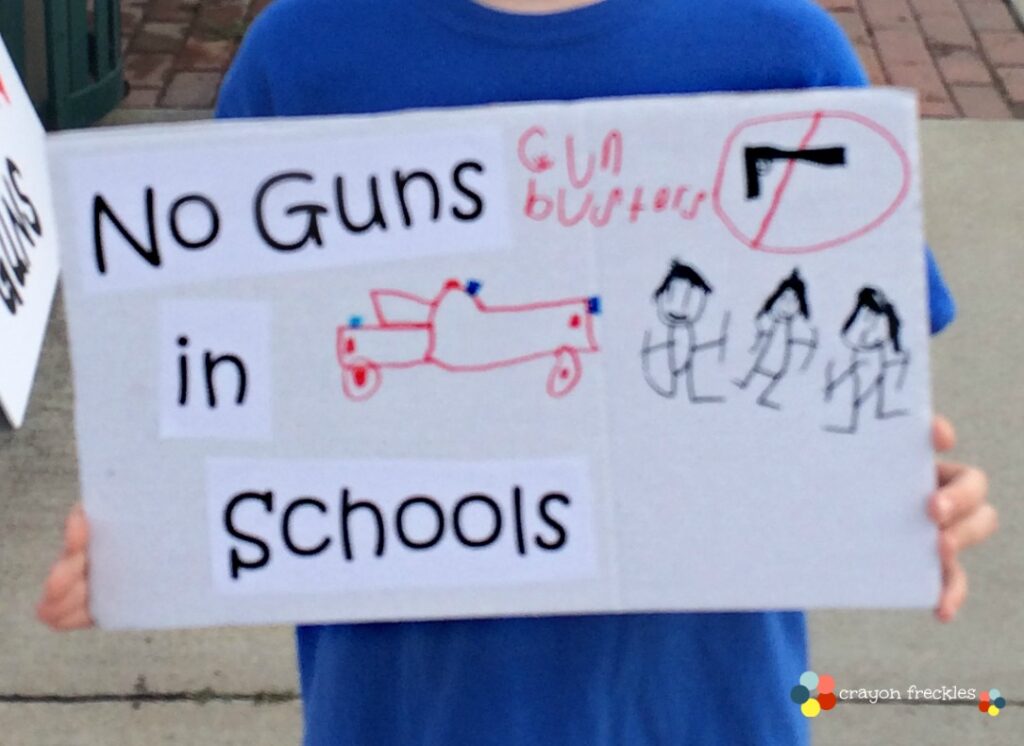
As far as my 9 year old goes, I don’t hide much of what is going on in the national arena. We talk politics, elections, public policy, etc. Just this past summer, he accompanied me to a protest of a local politician at our city library. This stems from my belief that children should be informed, at an age appropriate level, of legislation and current happenings that pertain to them. Not to worry them, or to create unnecessary anxiety, but to allow them the ability to respond as they see fit. Please read on…
Write and/or Talk to Political Figures
This takes the previous point one step further. If you’ve spoken with your child regarding current events and they are concerned or outraged, encourage them to write a letter to their state legislator, their governor, or Congress representative. Not only does it teach children that they have a voice that deserves to be heard, it teaches our representatives that there is a younger generation with open eyes and ears.
Address Bad Words & Name-calling
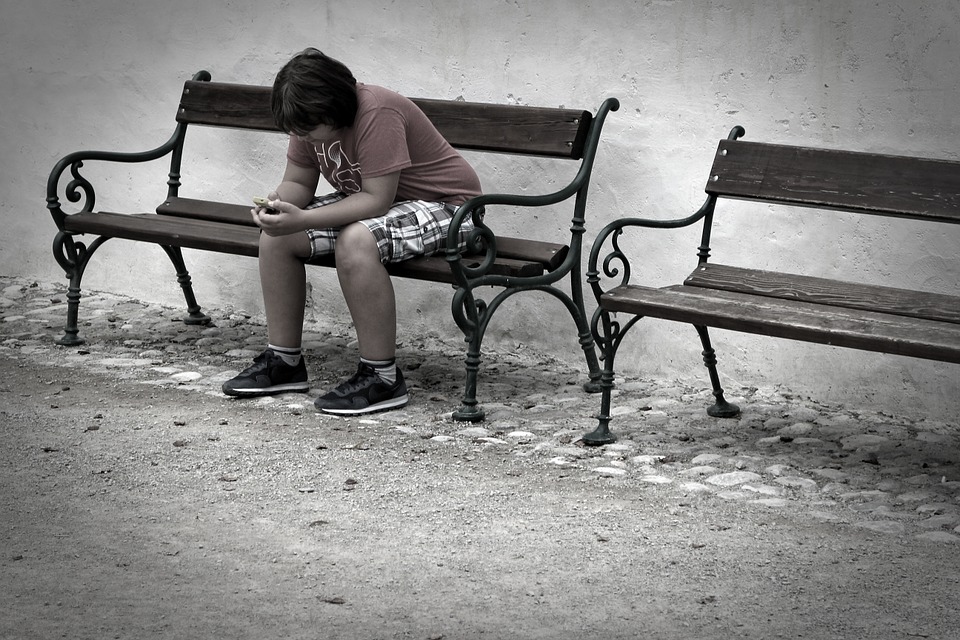
We all know that words can hurt. But there are some very specific words that kids should know they should never say. I don’t know that you can come straight out and teach this one. Perhaps you wait until it’s brought up by your child. Some of these words are, but are not limited to the likes of the “N-word”, the “R-word, calling things “gay” or “Jewish”. As for name-calling, children have to be taught that it just isn’t okay. And when we witness these statements, it’s important that our kiddos see us stand up for the abused. You may remember when we went through this with the “idiot” at the craft fair.
Research Famous Acts of Activism
Older children can read about activists who protested the Vietnam War, The Occupy Wall Street movement, the sit-ins during the 1950-60’s, Rosa Parks and her stance on the bus, or a myriad of other activists. By exploring the actions of others in response to social issues, older children can not only learn about injustices present in our society, but
Read Books About Civil Rights, Diversity, and Societal Struggle
Literature can open so many doors for children… especially if it’s into topics they might never see first hand. Many of these topics are addressed in this list of 100 books about amazing and influential women.
It’s one thing for our children to hear us speak on issues that grieve us, but another thing for them to see us act on these perceived injustices. Like the old adage, “Actions speak louder than words.” Let your children include their own letters/messages when you contact political figures. Be vocal about what you’re doing and why. Let them see you taking action. Guide them to activities that are for the greater good. That’s how we create little activists. Because I firmly believe that they are going to change the world.


